How to choose the right countersink
When selecting a countersink, it helps to clarify a few basics first. In practice, the selection always depends on the material you will be working in and on the required final hole shape. Additional parameters then only refine the choice and lead you to a specific tool from the range.
1. What material will you be countersinking?
The basic division of countersinks is based on the workpiece material.
- Countersinks for metal
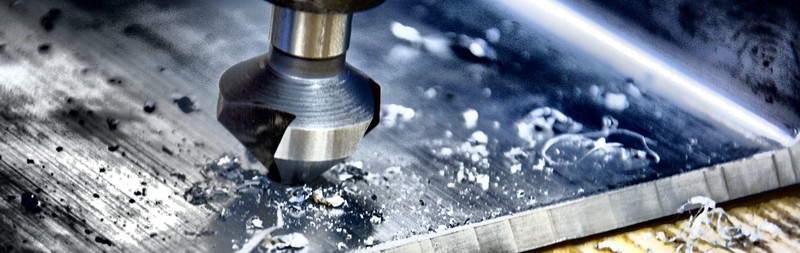
Used for steel, stainless steel, cast iron and aluminium. They are designed to handle higher load and evacuate chips smoothly.
- Countersinks for wood
Designed for solid wood, plywood and sheet materials and take into account the wood structure to prevent fibre tear-out.
In practice, metal countersinks are also often used on plastics and other softer engineering materials. In such cases, however, you need to work with lower RPM and lighter pressure.
2. What type of hole finishing do you need?
Once you know the material, you can choose the countersink type according to the purpose.
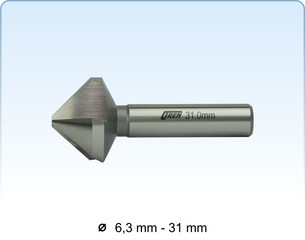
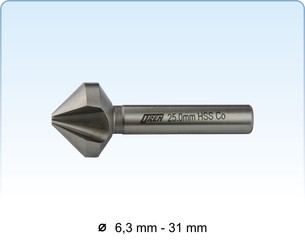
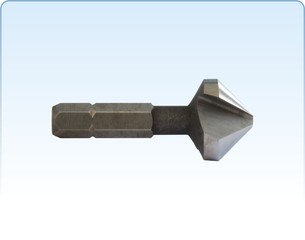
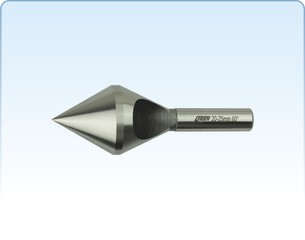
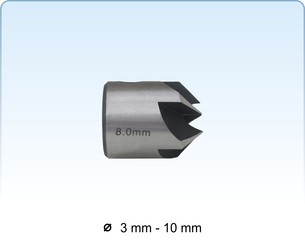
- For making the screw head sit flush with the material surface, classic conical countersinks are used.
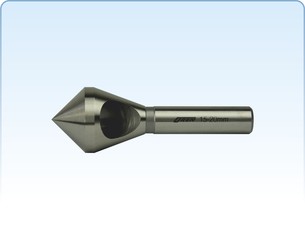
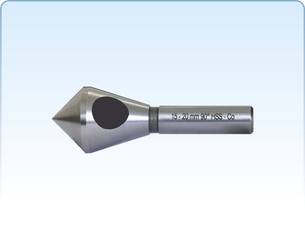
- For metalwork where smoother cutting action and chip evacuation matter, countersinks with a cross hole are used.
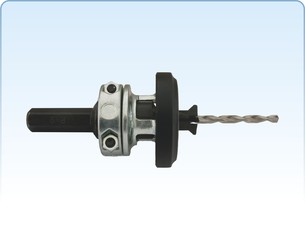
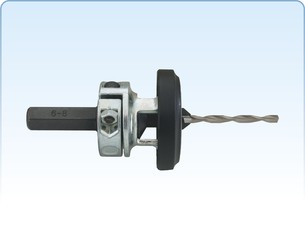
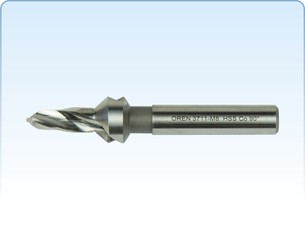
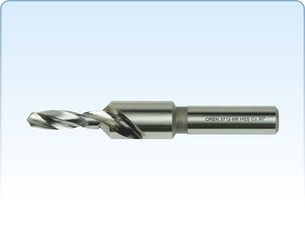
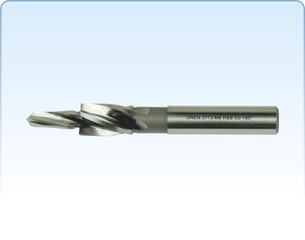
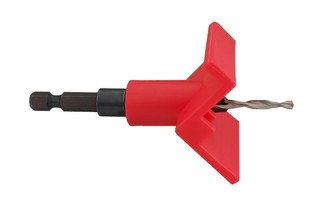
- If you want to drill and countersink in one step, typically during installations or when working with wood, combined drill bits with countersink are intended.
3. Which countersink angle matches the screws you use?
The countersink angle must match the screw head shape.
- 90° – the most common option for metric countersunk screws
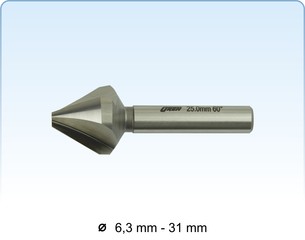
- 60° – specific applications or finer finishing of the hole entry
4. What material should the countersink itself be made of?
For metal countersinks, some types also allow choosing the tool material.
- HSS – standard version for general use
- HSS-Co – higher resistance and longer tool life, especially when working with stainless steel or tough materials
5. What clamping method and what machine will you use?
- Countersinks with a cylindrical shank
The most common and universal. They can be clamped in a chuck or collet and used with hand drills, cordless tools and drill presses.
- Countersinks with a Morse taper (MT) shank
Used for direct mounting in the machine spindle, typically on bench and pillar drill presses where accuracy and stability are emphasised.
These variants are not part of our regular stock range, but can be arranged based on your enquiry.
Where and how countersinks are used in practice
Countersinks are used when a hole needs to be finished so it is safe, functional and ready for installation. Most commonly this means countersinking a screw head, breaking sharp edges and creating a clean hole entry.
In practice, deburring and hole finishing are used for example:
- in metal fabrication during assembly where screws must not protrude above the surface,
- when installing metal structures, railings or covers,
- in workshops during production and repairs where edges are finished after drilling,
- in carpentry during installations and fitting fasteners into wood.
A finished hole is not only aesthetic, but above all practical – it prevents damage to cables and hoses, reduces the risk of injury and improves how the fastener seats.
How to work with countersinks
Countersinks are used as a follow-up operation after drilling and serve to modify an existing hole. It is important to work smoothly and with feel, because countersinking is about accuracy and a clean final shape.
General work recommendations
- Start at lower RPM and increase depending on the material and tool behaviour.
- Do not force it – the countersink must remove material smoothly, without violence.
- For metal, use suitable lubrication to prevent overheating and surface deterioration.
- When working with wood, ensure the tool does not tear out fibres – a sharp tool and stable guidance are key.
Cleanliness and accuracy of the countersink
If the goal is a flush screw head, you must keep the correct angle and depth. Too shallow will cause the head to protrude, too deep will reduce the material’s load capacity.
Work safety
- Always clamp the workpiece – never countersink a part held freely by hand.
- Wear safety glasses.
- After finishing, remove burrs and check the hole surface.
How does the range branch further?
The range of countersinks and hole finishing tools in this category is divided mainly by whether you work with metal or wood, and also by the type of hole finishing.
Countersinks for metal
Metal countersinks are intended for steel, stainless steel, cast iron and aluminium. Selection is based on:
- countersink type (conical, with a cross hole, special versions),
- countersink angle (most often 90°),
- tool material (HSS / HSS-Co),
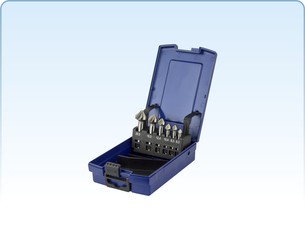
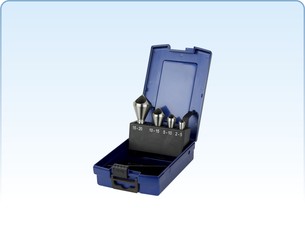
- and whether you are looking for a single countersink or a set.
In practice, metal countersinks are also often used when working with plastics and other softer engineering materials.
Countersinks for wood
Wood countersinks are designed for working with solid wood, sheet materials and plywood. Their main goal is clean countersinking of wood screws so the head does not protrude and the surface remains undamaged.
In this part of the range you will find for example:
- slip-on wood countersinks that fit onto a drill bit,
- pilot drill bits with countersink for hex socket, hex head or standard countersunk wood screws,
- combined tools that pilot drill the hole and prepare the seat for the screw head in one step,
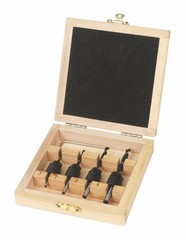
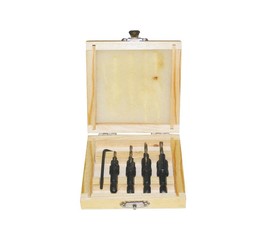
- sets of countersinks and drill bits, suitable for repeated installations,
- special pilot drill bits with a template, for example for flooring work.
Hide