How to assemble the VARIANT system correctly
You choose the individual parts of the VARIANT system depending on what type of hole you need to make, what material you will be working in, and what working length of the tool you need.
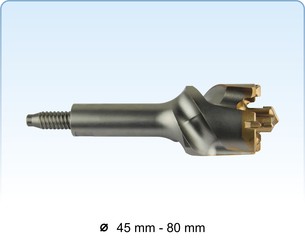
The basis of every assembly is the drilling part – the working head of the tool, which determines the hole diameter and the way the material is removed.
1️⃣ Choosing the drilling part
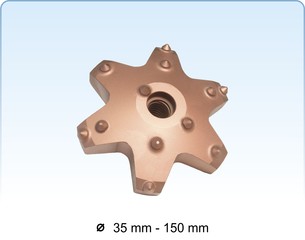
Driling Star VARIANT
Star bits are designed for breakthrough drilling with full material removal. They are manufactured in diameters from 35 mm to 150 mm. You determine the working length of the assembly using augers and extension rods.
They are suitable for drilling into hard materials – concrete, reinforced concrete (with rebar up to Ø 8 mm), granite, and other hard stones. They are not recommended for very soft and crumbly materials.
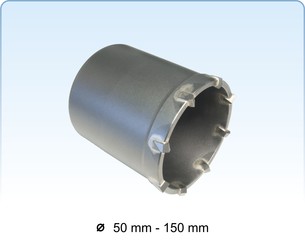
Hollow hammer core bits VARIANT
VARIANT core bits are robust drilling heads intended for less deep breakthrough drilling or for pre-drilling holes, for example for electrical installation boxes. They are manufactured in diameters from 40 mm to 150 mm.
The drilling depth is structurally limited – the drilled core must be chiseled out gradually.
Core Cutter VARIANT
Milling heads make it possible to assemble a lighter, yet still stable, breakthrough tool. Use them where you need to reduce the weight of the assembly while maintaining good stability during drilling.
Rebar Cutter VARIANT
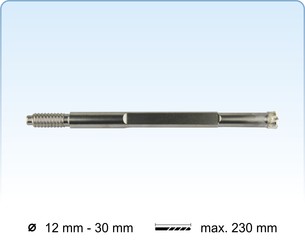
A special accessory tool for situations where you hit reinforcement during drilling. It is used to drill through the rebar so you can continue with the standard drilling part. They are not intended for deliberate weakening of the structure.
2️⃣ When and how to use augers and extensions
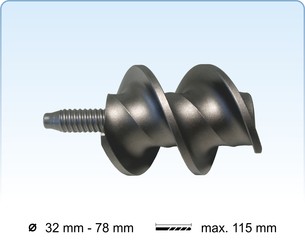
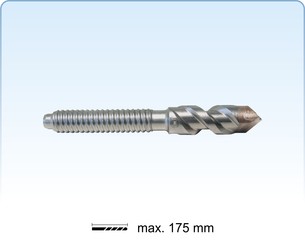
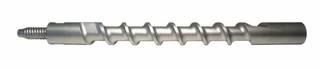
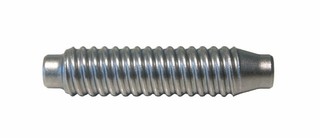
VARIANT augers serve to remove drilled material and also help guide the tool along the drilling axis. They are used mainly with star bits for breakthrough drilling.
For correct operation, it is important to use the first auger immediately behind the star bit and then include another auger after each extension rod. This ensures smooth debris removal and stable guidance of the entire assembly.
Extensions allow you to adjust the working length of the assembly to the specific thickness of the structure – for example when drilling through thick walls, foundations, or multi-layer constructions. By combining augers and extension rods, you can assemble a tool exactly to the depth you need to drill through.
If you are not sure about the correct combination of individual parts, we recommend using the document VARIANT system assembly options, where you will find an overview of typical assemblies by type of work and required length.
Manual – VARIANT
For the actual system assembly (correct tightening of threads, lubrication, checking connecting pins, disassembly procedure after drilling, etc.), use Manual – VARIANT. This document describes the technical procedure for assembly and maintenance so that the system operates safely and with maximum service life.
3️⃣ Choosing the adapter and shank type
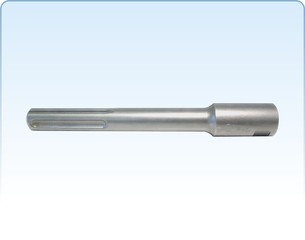
At the end of the assembly, you attach an adapter according to the type of hammer you are using.
The most common is SDS-max, because it is intended for powerful electro-pneumatic hammers that can fully utilize this system.
However, the range also includes adapters for:
With systems such as SDS-plus or the small spline, it is necessary to consider not only that the adapter fits the machine, but also the hammer power. The VARIANT system is designed for powerful machines – using it with an underpowered hammer can significantly reduce efficiency and put extra load on the tool.
Long SDS-max shanks are intended primarily for use with the milling head – i.e., for assembling a lighter breakthrough drill.
4️⃣ Selecting the pilot drill
Pilot drills are not universal – they differ depending on whether you use a VARIANT star bit or a VARIANT core bit.
For Driling Star, you choose between two versions:
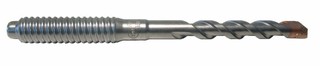
For VARIANT hollow hammer core bits, there is a separate pilot drill type, which is not interchangeable with the type for star bits.
If you are not sure about the correct VARIANT system setup for your specific application, contact us – we will help you choose a suitable combination of individual parts.
Where and how the VARIANT system is used in practice
You will use the VARIANT system for demanding construction and installation work where you need to create larger penetrations through structures – for example openings for piping, technical routes, cable runs, or anchoring larger elements into massive constructions.
It is used for drilling into concrete (including reinforced), granite, stone, brick, and other hard building materials. Thanks to the ability to assemble the working length, it is also suitable for thick walls, foundations, or multi-layer structures.
This is a system primarily intended for professional use – i.e., situations involving larger diameters, long penetrations, and hard materials. At the same time, it also proves very useful, for example, in renovations of older houses, where stone, brick, and other materials are combined within walls, and where structures are often significantly thicker than in new builds. If you are a non-professional but have a sufficiently powerful hammer, the VARIANT system offers a wide range of uses under these conditions as well.
The advantage of the system is that you set the working length according to your current needs – by combining augers and extension rods. It is therefore not limited to one fixed tool length.
How to work with the VARIANT system
The VARIANT system is designed for large electro-pneumatic hammers, usually in a higher weight class. Adapters also allow use with other shank types than SDS-max.
During work it is important to:
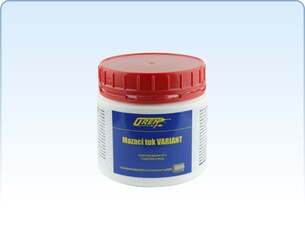
- clean the threads before assembly and apply a thin layer of VARIANT grease (only the thread is lubricated),
- check the connecting pins and the overall condition of the assembly,
- always tighten the assembly fully to the stop,
- do not pre-drill with a different diameter – drill into solid, non-pre-drilled material.
General drilling principles
When drilling into concrete and hard materials, work smoothly and without excessive pressure. The tool should advance primarily due to the hammer energy and the weight of the machine, not the force applied by the operator. Excessive feed pressure will not speed up the work; on the contrary, it may lead to overheating and increased wear of individual system components.
For longer breakthroughs, continuously monitor the tool guidance and the stability of the assembly. If progress slows down or vibrations occur, check correct assembly and sufficient machine power.
When drilling into reinforced concrete, watch for a change in resistance – slowing down or stopping may indicate contact with rebar. In that case, reduce the speed and continue without overloading the tool.
Work safety
Always use safety glasses, sturdy work gloves, and for longer drilling also hearing protection. With larger diameters and deeper breakthroughs, you must hold the machine firmly with both hands and work in a stable stance.
Before drilling into walls and ceilings, always verify that there are no electrical cables or water or gas pipes in the area.
After finishing the work, let the tool cool down naturally. Immediately after drilling, all parts are very hot. It is not recommended to cool the tool with liquid or to disassemble it without protective gloves.
What are the limitations of the VARIANT system
The VARIANT system is intended for demanding work and larger diameters. It is not suitable for small mounting holes or common small-diameter drilling, where it is more efficient to use a twist drill bit or a classic core bit.
Due to the weight and power of the assembly, you should expect higher physical effort and the need for adequate machine power.
How is the range further structured?
The modular VARIANT system category is further divided by drilling part type and accessories:
After selecting a specific part of the system, you then choose the required diameter or the corresponding variant.
Hide Description