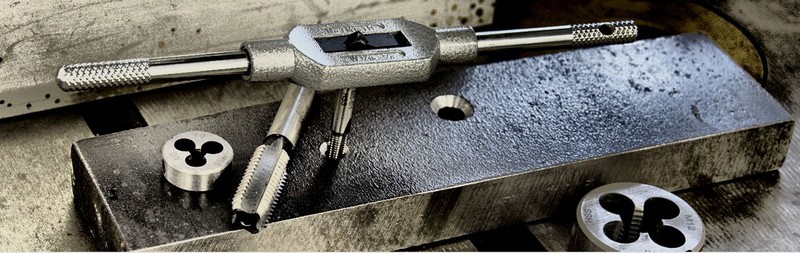
How to choose the right tool for thread cutting and thread repair
When choosing a tool, it is important to clarify the basic direction first. The difference between an internal and an external thread means the difference between using taps and thread cutting dies (commonly referred to as round dies). Further steps build on this decision and strongly affect whether you can do the job safely, accurately and without damaging the thread or the tool.
First, clarify whether you need an internal or an external thread
For internal threads you work with taps, for external threads with thread cutting dies. This is the basic junction from which the entire further tool selection follows.
Consider whether you will work manually or on a machine
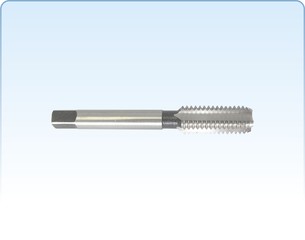
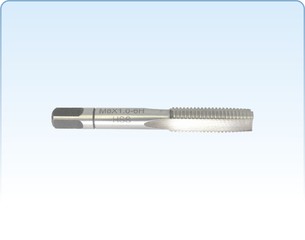
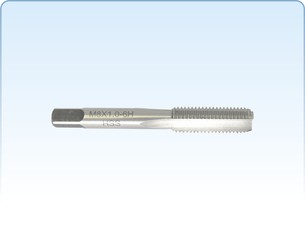
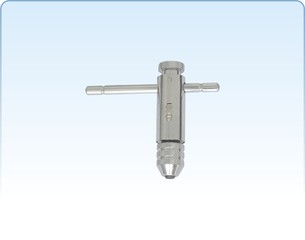
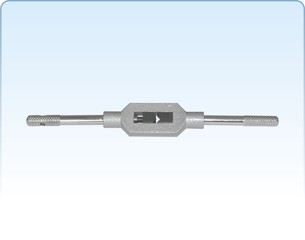
Manual cutting is most commonly used for installations, repairs and one-off work. Hand taps are used in combination with tap wrenches or ratchets, which allow better control of the cut and smoother progress.
Machine cutting is typical for workshops and production, where accuracy, speed and repeatability are emphasised – machine taps are used here.
For internal threads, consider the hole type
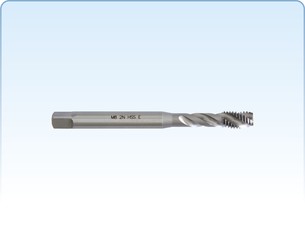
Distinguishing between a through hole and a blind hole is crucial mainly for machine cutting, where a tap with the appropriate geometry is selected.
For manual cutting, the hole type is more about the work procedure and the choice of tap stage, rather than a different tool type.
Consider the workpiece material
Workpiece material always matters because it affects cutting difficulty and the risk of tool damage.
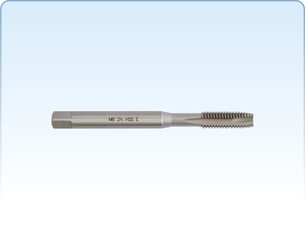
For machine taps, the tool version is also selected according to material – HSS is used for common steels, while HSS-Co (cobalt) is chosen for tough and stainless materials.
For manual cutting, harder materials tend to limit the usability of this method – it is necessary to realistically consider whether manual work is still feasible or whether a machine solution is more appropriate.
Distinguish whether you are creating a new thread or repairing an existing one
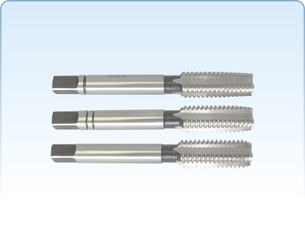
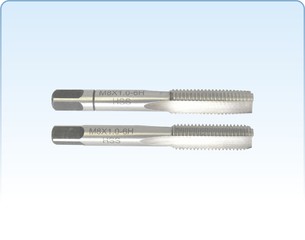
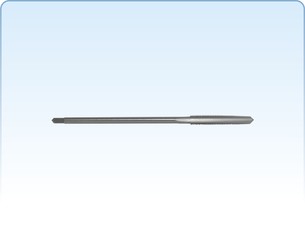
For manual creation of a new thread, it is usually necessary to use a complete set of hand taps (taper, intermediate and bottoming) so the thread is formed gradually and without excessive tool load – the main “tool” here is the operator’s feel and hand control, or a ratchet.
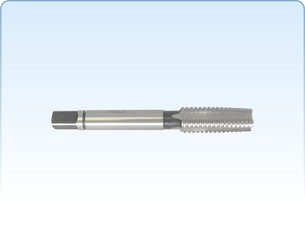
For repairing or cleaning up a thread, a single tap stage is often sufficient to true up or clean the thread without creating it again from scratch.
Where thread cutting and thread repair are used in practice
Thread cutting and thread repair are used in manufacturing, maintenance and installations. These are tasks no workshop or typical field work can do without, whether in professional use or for home repairs.
Typical situations include:
- manufacturing metal parts and fixtures where a precise internal or external thread is needed,
- maintenance and repair of machines and equipment where threads become gradually damaged due to load or wear,
- installations where a thread is stripped in a softer material, for example aluminium,
- repairing threads on older tools, vices, stands, garden equipment or various brackets where the original thread size must be preserved and the thread only needs to be trued up or cleaned out.
Tools for thread cutting and thread repair are used whenever you need to create a new thread or rescue a damaged threaded connection during manufacturing, installation or repairs.
How to work with tools for thread cutting and thread repair
Thread cutting is a job where the correct procedure and feel make the difference. A thread is not formed in one pass, but gradually, by removing material in small steps. The working method differs depending on whether you are cutting an internal or an external thread, and also on whether you work manually or on a machine.
Manual cutting of internal threads
For manual cutting, taps are clamped in a tap wrench or ratchet, and the thread is produced by turning by hand. That is why hand taps are supplied in sets, typically in three stages.
The work procedure is as follows:
- cutting starts with the coarsest tap, which removes the most material and forms the basic thread shape,
- this is followed by the intermediate tap, which deepens and refines the thread,
- the finishing tap cuts the thread to full depth and final profile.
The thread is therefore not created at once, but gradually – first guide grooves are formed, then the thread is deepened until it reaches the correct depth, shape and load capacity.
During cutting it is necessary to:
- after a few turns, slightly back off the tap to break the chip,
- use cutting oil,
- keep the tap square to the hole.
Hand feel is decisive – the tap must not be forced, otherwise it may snap. Solid, adjustable tap wrenches or ratchets are used for the work. Ratchets are especially practical in tight spaces where it is not possible to turn a tap wrench smoothly all the way around.
Manual cutting of external threads
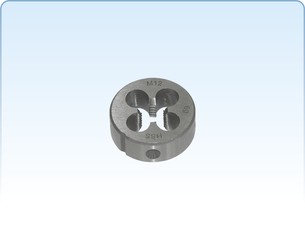
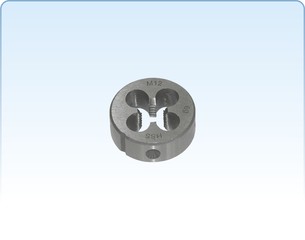
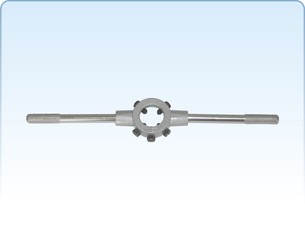
External threads are cut using thread cutting dies (round dies), which are clamped in a die holder. For external threads, the start of the work is critical because it determines the quality of the entire thread.
Before starting cutting, it is advisable to:
- slightly chamfer the edge of the material to create a lead-in,
- remove sharp edges and burrs.
This lead-in helps the die guide correctly when starting, prevents the thread from starting crooked and protects the first threads from damage.
The cutting itself proceeds as follows:
- place the die squarely on the axis of the material,
- make the first turns slowly and with maximum control,
- after a few turns, slightly back off the die to break the chip.
If the die is started crooked, the thread cannot be corrected during cutting and the error carries through the entire length. That is why the initial phase of cutting is the most important for external threads.
Machine thread cutting
For machine cutting, squareness and correct RPM are key. The most suitable machine for this work is a drill press, which allows precise tool guidance and better control over cutting.
Using a hand drill or cordless driver is only possible to a limited extent – mainly for smaller threads and in softer materials. A common problem is excessive RPM and reduced feel, which greatly increases the risk of snapping the tap. A cordless driver can help, but it cannot be considered a universal solution.
In professional environments, milling machines are also used for thread cutting, as they allow very precise tool guidance and work at low RPM. However, this is a solution typical for production and workshops, not a common approach for home use.
RPM and their effect on the work
Thread cutting is always performed at significantly lower RPM than drilling. Required RPM depends on thread diameter, workpiece material, tool type and working method.
In general, the larger the thread and the harder the material, the lower the RPM required. A machine that cannot operate at low RPM may significantly limit the use of machine thread cutting.
Specifics and limitations of the work
Taps are subjected to torsional load during use, especially in smaller diameters where the tool body is thinnest and most sensitive. In blind holes, you must account for limited thread depth and a higher risk of snapping when cutting close to the bottom. When repairing threads, it is also important to keep in mind that a thread cannot be repaired indefinitely – each additional intervention removes material and reduces thread load capacity.
How does the range branch further?
The tools are divided into subcategories according to purpose and method of use. The overview below is intended for quick orientation.
- Hand taps
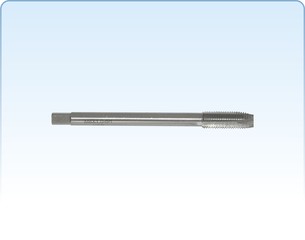
If you are dealing with repairs, installations or one-off work, hand taps are the most common choice. Here you can choose between standard and fine threads and decide whether a complete set or individual taps suit you best, depending on whether you are cutting a new thread or only repairing an existing one.
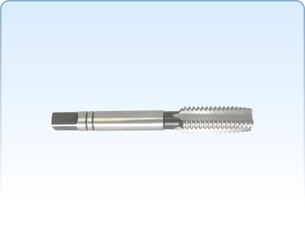
- Machine taps
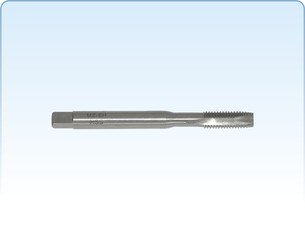
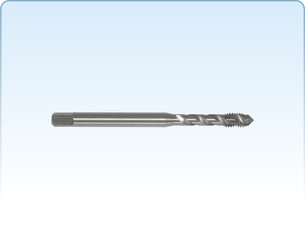
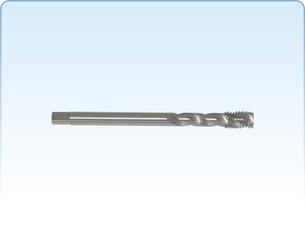
For machine work, you specify the range based on whether you are cutting a thread in a through hole or a blind hole, and according to the workpiece material. For common steels, HSS is sufficient; for tough or stainless materials, choose the cobalt HSS-Co version.
- Nut taps
If you need to adjust or cut a thread in a nut, the choice is straightforward – you mainly select the correct thread size.
- Thread cutting dies (thread dies)
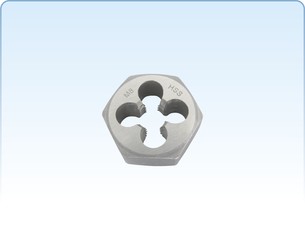
For manual cutting of external threads, you can choose round or hex versions and decide between metric and fine metric threads depending on the application.
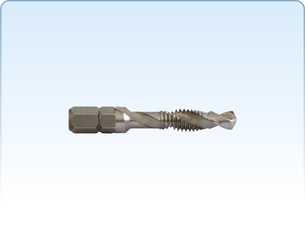
- Combined taps and drills
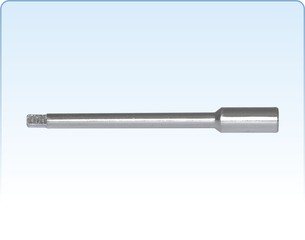
In this part of the range, you then choose the required tool size that enables drilling and thread cutting in one step. It is a practical solution especially when you want to simplify and speed up the work.
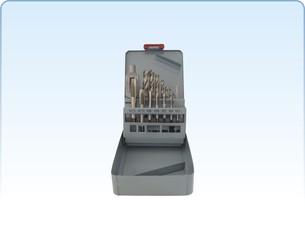
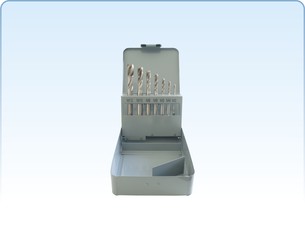
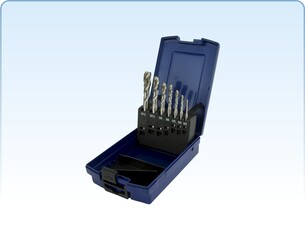
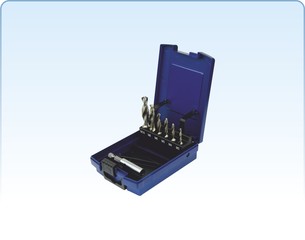
- Sets
If you want to always have basic equipment at hand, sets are a practical choice. They help you be prepared for different situations without having to look for individual tools every time. Sets make sense both for workshops and for installations and repairs, where you will appreciate having everything you need together.
- Accessories
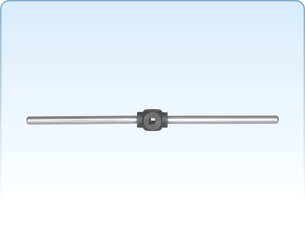
The range is complemented by tap wrenches, ratchets, holders and other aids that make working with taps and dies easier. Here it pays off to choose according to your working method and the space in which you will be cutting threads.
Hide