How to choose the right tool for drilling into wood
When choosing a wood drill bit, it is best to proceed according to the specific job you want to do. The following steps will help you quickly orient yourself and choose the right tool type.
What type of hole do you need
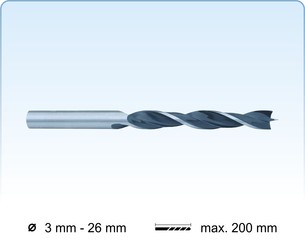
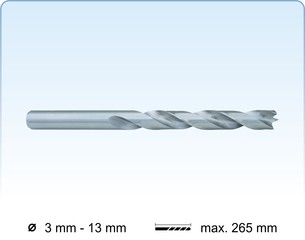
Do you need a small through-hole to drive a screw or for standard joining of materials? In that case, start with brad point wood drills.
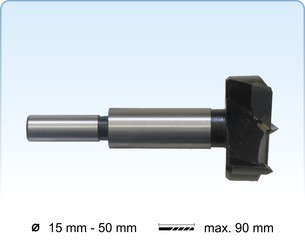
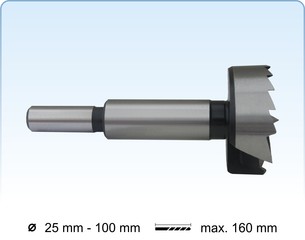
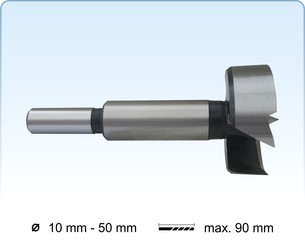
If you need a non-through hole with a flat bottom, for example for a hinge or hardware, the right choice is a Forstner bit.
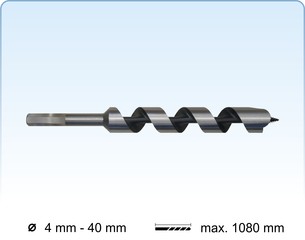
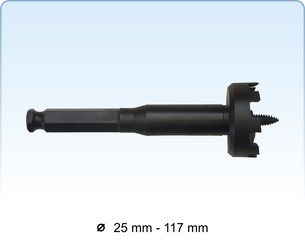
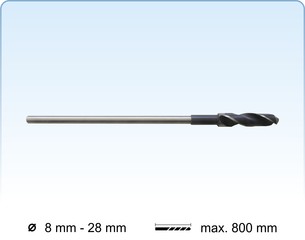
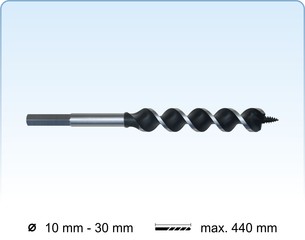
Are you dealing with a deep hole in a beam or timber? Then look for auger bits.
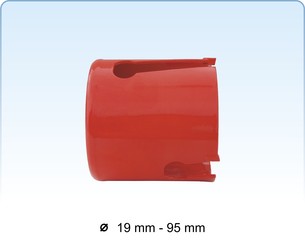
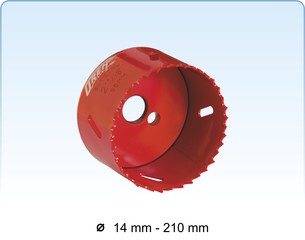
For large holes and penetrations, hole saws are intended.
How precise the hole needs to be and what it will be used for
If the hole only serves as a technical hole for a screw, a suitably good quality twist drill bit is usually sufficient.
For hinge holes, hardware or precise seating of parts where the shape and flat bottom matter, you need to choose Forstner bits or hinge drill bits – a twist drill bit is not suitable here.
What material and thickness you will drill
You will choose a different approach when drilling a thinner board, for example around 2 cm thick, and another when drilling a solid beam that you need to penetrate to a depth of tens of centimetres.
For shallow holes in sheet materials, brad point wood drills or Forstner bits are typically used if a precise hole with a clean edge or a flat bottom is required.
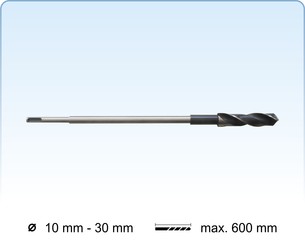
When drilling thick timbers and beams, drilling depth and chip evacuation play the main role – here, auger bits or form work auger bits are especially suitable, as they are designed for such work.
Which machine you will drill with
After choosing the drill bit type, it is always necessary to verify that your tool is suitable in terms of power and design for the job. For example, longer auger bits or larger-diameter drill bits can place higher demands on power and torque, which a standard cordless driver may not handle even if it is possible to clamp the bit in the chuck.
How to work with tools for drilling into wood
For drilling into wood, drills without hammer action are used, most often hand drills or drill presses. For smaller diameters and shallow holes, cordless tools are sufficient, but for deeper drilling or larger diameters you need to expect higher demands on power and machine stability.
Wood is a fibrous material that behaves differently during drilling than concrete or metal. With an incorrect procedure, fibres can tear out, the drill bit can grab or the machine can react sharply when the bit bites.
To ensure smooth work, good results and to avoid unnecessary damage to the tool, machine or workpiece, it is recommended to follow the guidelines below.
Recommendations for the drilling procedure
Choosing the machine and RPM
Drilling into wood is performed without hammer action. RPM should be selected according to drill bit diameter and the nature of the work. Too high RPM can lead to burning the wood, too low can result in fibre tearing or the drill bit grabbing.
Drill guidance and pressure
The drill bit should be guided straight and smoothly. Do not force the machine, especially with larger diameters or long drill bits. Excessive pressure increases the risk of the drill bit jamming and losing control of the tool.
Pilot drilling for deep holes
When drilling deeper holes into beams and timbers, it is advisable to first pilot drill with a shorter bit of the same diameter. This improves hole guidance and reduces tool load.
Chip evacuation
For deeper drilling, regularly pull the drill bit out of the hole. Accumulated chips increase friction, machine load and the risk of the drill bit grabbing.
Securing the material
The drilled piece must always be firmly secured. Material that is loosely placed can spin or be torn out when the drill bit bites.
Safety instructions
Wear safety glasses, especially during deeper drilling or overhead work.
When working with larger diameters and long drill bits, hold the drill firmly and expect the machine’s reaction when the bit bites.
Before drilling into structures, check that there are no electrical cables or other installations in the area.
Regularly check the condition of the drill bit – a dull or damaged drill bit increases the risk of grabbing and tool damage.
If drilling does not proceed smoothly, do not continue by force and consider using a more suitable tool or a more powerful machine.
How does the range branch further?
The range of wood drill bits is divided by the type of work you want to do. In the individual subcategories, selection is always based on what is decisive for that type of drilling.
- Brad point wood drills
Basic drill bits for standard drilling into wood and sheet materials. Here, the customer primarily chooses the drill bit quality – from chrome-vanadium drill bits for hobby use, through HSS, to twist drill bits with a carbide tip for more demanding work.
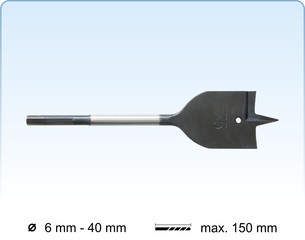
- Flat milling bits
Simple hobby drill bits designed for fast drilling of larger through-holes.
After selecting this subcategory, you will be able to directly choose the required diameter.
- Adjustable drill bits
A hobby solution that allows drilling holes with a variable diameter.
You choose between two types depending on the required adjustable diameter range.
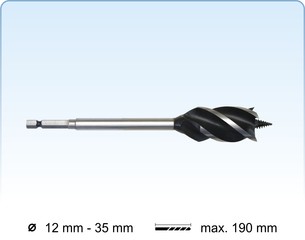
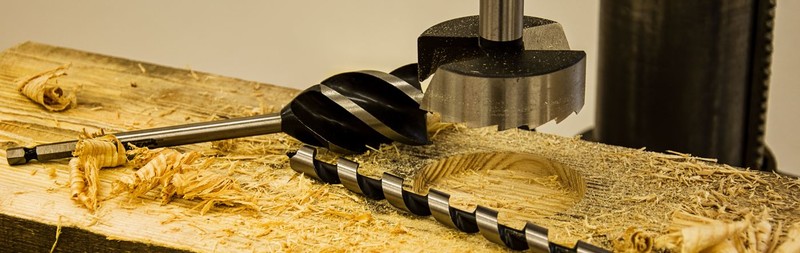
- Auger bits
Suitable for deep drilling into solid wood, beams and timbers.
Further selection is by the required shank type, based on the tool you have available.
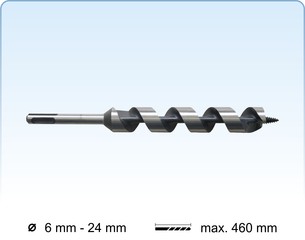
- Form work auger bits
Designed for long through-holes through multiple layers of material. The range is divided by the clamping method – drill bits with a cylindrical shank and drill bits with SDS-plus shank.
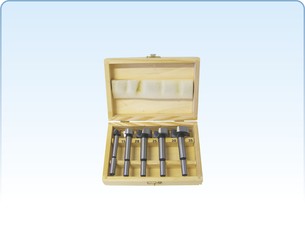
- Forstner bits
Drill bits for precise holes with a flat bottom, typically for hardware and furniture joints.
First you choose a specific Forstner bit type, then the hole diameter.
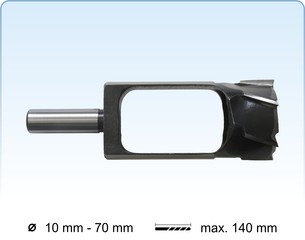
- Plug cutters
Used to make wooden plugs to cover screws and holes. Selection is directly by diameter.
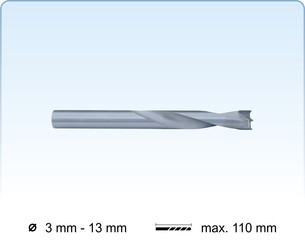
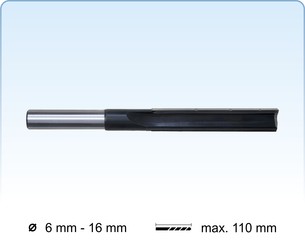
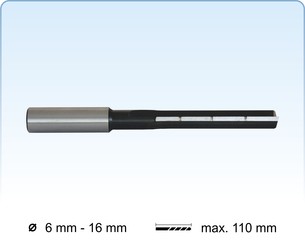
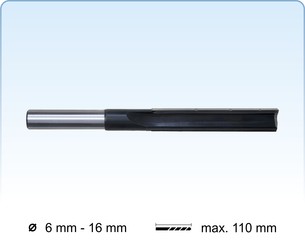
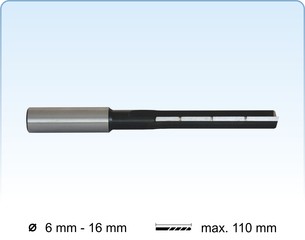
- Mortise drill bits
Tools designed for making mortises and traditional wood joints.
They differ by rotation direction and shank size, according to the machine used.
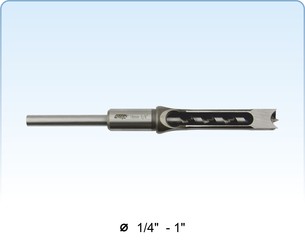
- Square hole mortising drill bits
Designed for creating precise square mortises. The range also includes an adapter that allows their use in bench and pillar drill presses.
- Hole saws
Used for drilling large circular holes into wood and sheet materials.
In this category you will mainly find bimetal hole saws and adapters for them.
They allow larger diameters than standard drill bits, but their use is limited by cutting depth.
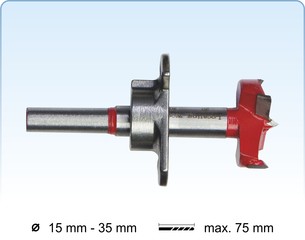
- Hinge boring bits
Special drill bits for installing furniture hinges. Selection is by hole size.
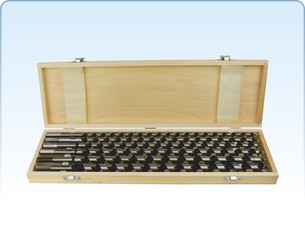
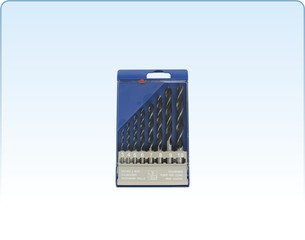
- Drill bit sets
A practical solution that makes sense to have on hand for any work with wood.
Sets include a selection of the most commonly used drill bits and make it possible to be prepared for different types of drilling without having to solve each tool separately.
Hide