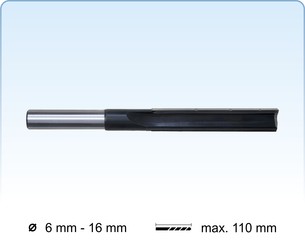
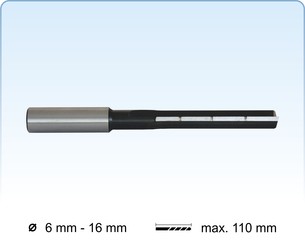
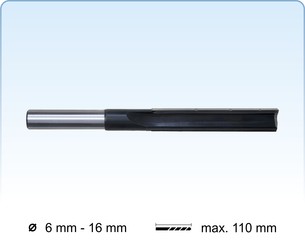
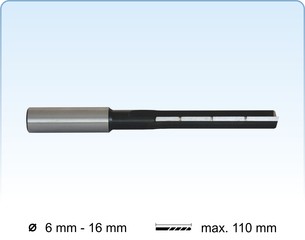
When to choose a mortise bit
A mortise bit is suitable when you need to:
- produce a classic mortise and tenon joint,
- create a precise square hole,
- manufacture furniture or structural joints using traditional carpentry methods,
- produce identical joints in series with high precision.
If you only need a round hole, another type of drill bit is more suitable. A mortise bit is designed exclusively for use in a mortising machine.
How to choose the correct version
Mortise bits differ in two main parameters:
Direction of rotation – right-hand cutting or left-hand cutting
The choice depends on the rotation direction of your mortising machine.
Most machines use right-hand cutting versions, but you must verify the technical specifications of your specific machine.
An incorrect rotation direction results in poor cutting performance and rapid tool damage.
Shank size – 13 mm or 16 mm
The shank size must match the diameter and construction of your mortising machine.
This is not a universal size – always refer to the technical specifications of your specific machine.
How to work with mortise bits
Use mortise bits only in a suitable mortising machine.
Ensure precise machine setup
Correct adjustment of the guides, depth, and feed pressure is essential for joint quality.
Work progressively
A mortise is usually created by gradually removing material in individual steps. Do not attempt to remove all the material in a single pass.
Check the cutting edges
A dull tool increases resistance, heat generation, and reduces cutting quality.
Limitations and what to watch out for
Mortise bits are not intended for manual drilling or use outside a mortising machine.
An incorrect combination of rotation direction and machine can lead to tool damage.
Hide Description