What you will find in this category
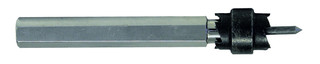
The range includes several structurally different solutions for drilling out spot welds. An annular spot weld cutter removes material around the weld point, while twist-drill designs remove the weld across the full diameter of the tool.
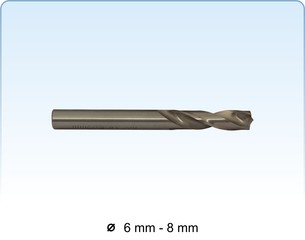
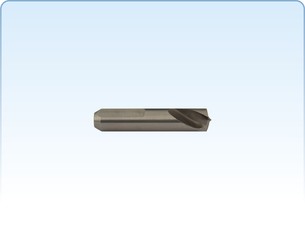
DIN 1897 drill bits are intended for standard spot-weld removal and also allow work in deeper locations. Short designs fit better where there is less space between the sheet metal and the surrounding structure.
HSS-Co5 drill bits with TiCN coating are intended primarily for frequent and repeated spot-weld removal. The hard coating reduces friction and helps slow cutting-edge wear. This range is available in diameters of 6, 7, 8 and 10 mm.
How to choose a spot weld drill bit
The choice depends mainly on the size of the weld point, accessibility of the location and frequency of use. The individual groups differ not only in diameter, but also in design, overall length and tool wear resistance.
When choosing, focus on the following points:
- Choose an annular cutter design when you want to remove the weld around its circumference while minimising damage to the surrounding sheet metal.
- DIN 1897 drill bits are suitable for both easily accessible and deeper locations where a longer tool is required.
- Use a short design when working in confined spaces.
- For frequent and repeated spot-weld removal, choose an HSS-Co5 design with TiCN coating.
- Match the drill diameter to the size of the weld point you need to remove.
- Before use, check the overall drill length and cylindrical shank diameter against the drill chuck.
How to work with spot weld drill bits
Before starting, identify the centre of the weld point and position the drill accurately. Keep the tool perpendicular to the sheet-metal surface and work smoothly without unnecessary side pressure.
For accurate separation of welded parts, follow these basic rules:
- Choose a diameter that matches the size of the spot weld.
- Clamp the drill securely in the chuck.
- Use appropriate feed pressure and do not allow the drill to deflect in the hole.
- Control the drilling depth so that you do not unnecessarily drill through the lower sheet.
- With annular cutters, remove the weld around its circumference rather than cutting away an unnecessarily large area of surrounding material.
- Use suitable speed and, depending on the material, appropriate cooling.
- TiCN coating increases cutting-edge wear resistance, but it does not replace correct drill guidance and suitable working conditions.
How is the range further divided?
Spot weld cutter with milling crown
Choose this design to remove the weld around its circumference while keeping damage to the surrounding material to a minimum.
DIN 1897 spot weld drill bits
Designed for standard spot-weld removal and for locations where a longer tool is required.
Short spot weld drill bits
Suitable for work in confined spaces and hard-to-reach locations.
Spot weld drill bits, TiCN
Coated HSS-Co5 drill bits for frequent and repeated spot-weld removal. Available in diameters of 6, 7, 8 and 10 mm.
For each product, you then select the specific diameter and overall length according to the weld-point size, accessibility of the location and the tool being used.
Hide